Your Roof Isn't the Whole Solar Story
See why insulation and windows decide how much value your solar panels actually deliver to your home and wallet.
The Math Solar Companies Don't Show You
When a solar company sizes your system, they usually look at your last twelve months of utility bills. That number tells them how much energy your house currently pulls from the grid. What it does not tell them is how much of that energy is being wasted before it ever does anything useful, like heating water or cooling a bedroom. If your home leaks air through cracked window seals or thin attic insulation, your solar array ends up working overtime just to replace energy that never should have left the building in the first place.
This is the part of the solar conversation that rarely makes it into a sales pitch. Panels get the spotlight because they are visible and exciting. Insulation and windows stay hidden inside walls and frames, so they get treated as an afterthought. But a solar system paired with a leaky envelope is like filling a bucket with holes in it. You can add more water, or in this case more panels, but you are still losing ground.
Where the Energy Actually Goes
Most homes lose conditioned air and heat through a fairly predictable set of weak points. Understanding these helps explain why your solar production and your actual savings can tell two very different stories.
- Attics with insulation below current recommended levels, letting heat escape in winter and build up in summer
- Older or single-pane windows that transfer outdoor temperatures straight into your living space
- Gaps around door frames and window trim that let conditioned air slip outside
- Ductwork running through unconditioned spaces, losing heated or cooled air before it reaches a room
Solar panels are excellent at generating clean electricity, and choosing quality equipment still matters. Even units from well regarded best solar panel brands cannot make up for a home that bleeds energy through its walls and windows. The panels will produce exactly what they are designed to produce. What happens to that energy once it enters your home is a completely separate battle, and it is one that insulation and windows fight every single day.
Insulation: The Quiet Multiplier on Your Solar Return
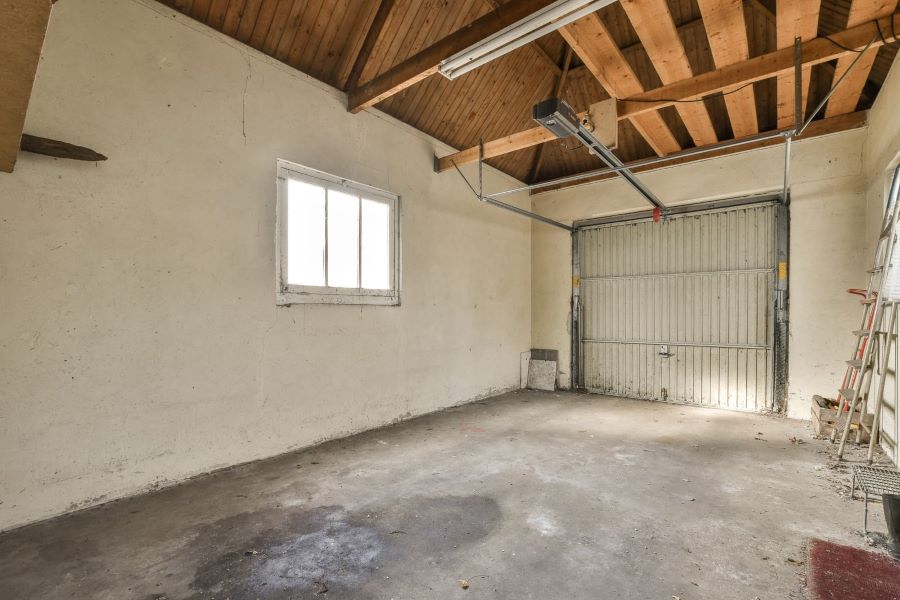
Think of insulation as the setting that determines how far your solar energy actually stretches. A well insulated home holds onto heated or cooled air longer, which means your HVAC system does not need to run as often or as hard. Less HVAC demand means less electricity consumed overall, and that shift changes the entire equation for how quickly your solar investment pays for itself.
Homes built more than fifteen or twenty years ago often have insulation that has settled, compressed, or simply never met today's performance standards. Attic insulation is usually the biggest offender because heat naturally rises and escapes through the roofline. Wall cavities and crawl spaces are close behind, especially in homes where insulation was added as an afterthought rather than planned into the original build.
Attic and Wall Upgrades Worth Prioritizing
Not every insulation project delivers the same return, so it helps to focus on the areas that make the biggest difference before or alongside a solar installation.
- Attic insulation brought up to current recommended R-value for your climate zone
- Air sealing around recessed lighting, attic hatches, and plumbing penetrations
- Wall insulation upgrades during any renovation that opens up drywall
- Insulated garage doors and rim joists, which are frequently overlooked
Window coverings play a supporting role here too. Solid core shutters and certain insulated treatments add a measurable layer of thermal resistance to a window opening, which matters most on older windows that have not been replaced yet. If you are weighing shutter materials for this purpose, the differences between engineered cores and traditional wood are worth understanding, and our breakdown on moisture-engineered cores versus wood shutters walks through exactly how each performs under real conditions. Getting the insulation layer right before or right after a solar install means your system is powering a home that actually holds onto what it generates, rather than one that lets it escape through the ceiling and walls.
Windows: The Overlooked Half of Your Solar Equation
Windows are often the single biggest source of unwanted heat gain or heat loss in a home, and they get very little attention once solar panels go up on the roof. A window with a poor seal or an outdated frame can behave almost like an open vent, quietly working against everything your solar system is trying to accomplish. Just as homeowners often overlook aging electrical infrastructure when adding solar, a problem covered in Old Panels, New Solar: Arizona's Hidden Upgrade Problem, windows are frequently ignored until the damage is already done. Low emissivity glass, tight seals, and properly insulated frames reduce that transfer significantly, which means your home needs less heating and cooling energy to stay comfortable.
The payback period on a solar system is usually calculated using your current energy usage as a baseline. If that baseline includes energy loss from drafty windows, you are essentially building your solar return on a shaky foundation. Fix the windows first, or at the same time, and your usage drops, which means the same solar system covers a larger percentage of your actual needs. Planning ahead of time, the way it's outlined in Solar-Ready From the Start: A Miami Buyer's Checklist, can help new homeowners sidestep this issue before it ever becomes a problem.
Signs Your Windows Are Working Against Your Panels
A quick walk through your home can reveal a lot about whether your windows are helping or hurting your solar investment.
- Visible condensation between glass panes, which signals a broken seal
- Noticeable drafts near the frame even when the window is fully closed
- Rooms that feel noticeably warmer or colder than the rest of the house
- Higher energy bills during extreme weather compared to neighbors with newer windows
Finding these problem spots does not require special equipment. A simple hands on check around frames and sills, the kind detailed in our piece on tracking down window leaks before peak heat season, can uncover exactly where your home is losing ground. Addressing those leaks, or upgrading the windows entirely, gives your solar panels a fair shot at doing what they were installed to do in the first place.
The Real Payoff Is in the Whole House, Not Just the Roof
Solar panels are a smart investment, but they are only one piece of a much bigger performance puzzle. The insulation packed into your attic and walls, along with the quality of every window in your home, determines how much of that solar energy actually gets to stay inside where you need it. Skip these details and you may end up with a system that produces plenty of power while your home continues losing it just as fast through preventable gaps and outdated materials.
Homeowners who treat insulation and windows as part of the solar conversation, not separate projects, tend to see faster payback periods and noticeably lower bills year round. It comes down to building a home that holds onto energy instead of one that constantly fights to keep up. Panels on the roof get you started, but a tightly sealed, well insulated home is what actually finishes the job.
Find the perfect Materials for your project
This section is designed to simplify the process of choosing the right materials, whether for building, remodeling, or decorating, by providing detailed descriptions, comparisons, and practical tips. Here, you'll find valuable insights and expert recommendations to ensure the materials you choose enhance the durability, aesthetic appeal, and functionality of your project.