What Materials Go Into Making a Ball Point Pen
From brass tips to ink chemistry, learn the materials behind ball point pens and how each component affects performance and quality.
The humble ball point pen is one of those everyday objects that quietly shapes how the world works, signing contracts, sketching ideas, and jotting notes without a second thought. Behind that smooth click and steady line is a surprisingly complex combination of materials working together with microscopic precision.
According to Statista’s global writing instruments market data, the worldwide writing instruments market generates tens of billions of dollars annually, a figure driven largely by ball point pens due to their durability, affordability, and mass adoption. That scale alone hints at how refined and optimized pen materials have become over decades of engineering.
Understanding ball point pen making materials offers insight not only into manufacturing efficiency, but also into why certain pens feel smoother, last longer, and write more consistently than others. From the metal alloys in the tip to the polymers in the barrel, every component plays a role in how the pen performs in real hands, day after day.
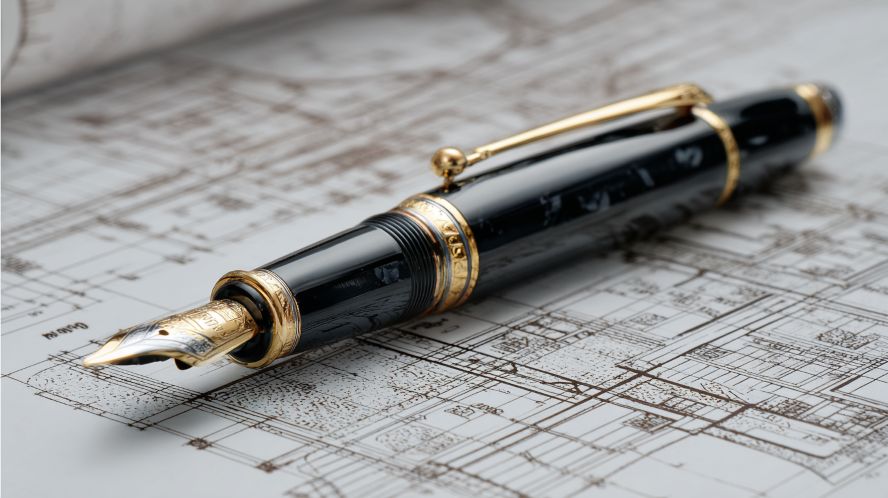
Core Components of a Ball Point Pen
At a glance, a ball point pen appears simple, but it is a carefully assembled system made up of multiple precision parts. Each component requires materials chosen for durability, cost control, and consistent performance across millions of units.
The typical ball point pen consists of a barrel, ink reservoir, writing tip, rolling ball, and internal mechanisms such as springs or retractors. These parts must work in harmony, resisting wear while maintaining smooth ink flow under varying pressure and temperatures.
Manufacturers focus heavily on material compatibility. If one element expands, corrodes, or degrades faster than the others, the pen fails. This balance is why even low cost disposable pens rely on engineered plastics and specialized metals rather than generic materials.
As these components come together, the writing experience begins to take shape, starting with the most visible part of the pen.
Plastic Materials Used in Pen Barrels
The barrel forms the outer body of the pen and is usually made from thermoplastics engineered for strength, moldability, and cost efficiency. While plastic may seem simple, the choice of polymer affects grip comfort, durability, and even how the pen feels in the hand.
Common plastics used include polypropylene, polystyrene, and ABS. These materials are selected because they resist cracking, accept colorants well, and perform reliably in injection molding processes. Transparent barrels often use polystyrene or acrylic blends to showcase ink levels.
In higher quality pens, manufacturers may use layered plastics or soft touch coatings to improve ergonomics. These coatings rely on elastomer based compounds that add grip without compromising structural integrity.
This focus on plastics naturally leads to the internal systems they protect, starting with the ink itself.
Ink Formulation and Chemical Materials
Ball point pen ink is not a liquid in the traditional sense. It is a carefully balanced paste designed to flow only when the ball rotates against paper. Achieving this behavior requires precise chemical engineering.
Typical ball point ink contains dyes or pigments, solvents, fatty acids, and resins. The viscosity must remain stable across temperature changes while preventing leaks when the pen is idle. Too thick and the pen skips, too thin and it floods the page.
Many inks rely on oil based solvents derived from petroleum fractions, combined with stabilizers that prevent drying inside the cartridge. Colorfastness and light resistance are achieved through synthetic dyes and pigments tested for long term exposure.
As the ink moves from chemistry to mechanics, it reaches the most critical material intersection in the pen.
Metal Alloys Used in the Pen Tip
The tip of a ball point pen is where precision matters most. This tiny component houses the rolling ball and controls ink flow at a microscopic level. Materials used here must be hard, corrosion resistant, and capable of being machined to extreme tolerances.
Brass is commonly used for the tip housing due to its machinability and resistance to corrosion. In premium pens, stainless steel alloys may be used for added durability and polish. These metals allow consistent ink delivery without deforming over time.
According to pen manufacturing expert Daniel Kravitz of Meridian Writing Systems,
“Tip material selection determines whether a pen writes smoothly for weeks or for years. A fraction of a micron in wear can change everything.”
Once the housing is formed, attention turns to the smallest yet most important component.
Tungsten Carbide and the Rolling Ball
The ball itself is typically made from tungsten carbide, a material chosen for its extreme hardness and resistance to wear. This tiny sphere rotates thousands of times during a single page of writing, making durability essential.
Tungsten carbide resists flattening and scratching even under constant friction against paper fibers. Its weight also helps regulate ink transfer, maintaining consistent contact pressure between the ball and socket.
Manufacturing these balls requires precision grinding and polishing to achieve a near perfect sphere. Any imperfection would disrupt ink flow and lead to skipping or blotting.
With the writing mechanism complete, attention shifts inward to the components that make modern pens convenient.
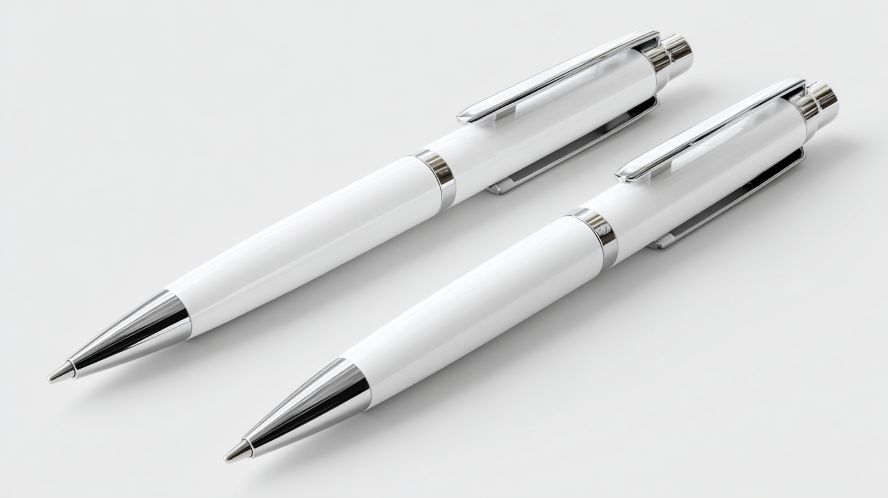
Springs, Clips, and Internal Metal Parts
Retractable ball point pens rely on internal springs and mechanical components that must function reliably for thousands of clicks. These parts are typically made from stainless steel or phosphor bronze alloys.
Springs must retain elasticity without fatigue, while clips require enough flexibility to attach securely to pockets without snapping. The metals used here are often heat treated to maintain consistent performance over time.
Some manufacturers coat these metal parts to reduce friction and corrosion, especially in humid environments. Though unseen, these materials play a major role in the pen’s lifespan and user satisfaction.
As sustainability becomes more important, material choices are evolving.
Sustainable and Recycled Materials in Pen Manufacturing
Environmental concerns have pushed pen manufacturers to rethink traditional materials. Recycled plastics, bio based polymers, and refillable designs are increasingly common in modern ball point pens.
Recycled polypropylene and PET plastics reduce raw material consumption while maintaining structural integrity. Some brands incorporate agricultural byproducts or plant based resins into barrel production.
Ink formulations are also evolving, with lower toxicity solvents and reduced heavy metal content. These changes allow manufacturers to meet environmental regulations without sacrificing performance.
This shift in materials has also influenced consumer interest in alternative writing instruments.
Fountain Pens and How Their Materials Differ
Fountain pens rely on a fundamentally different material philosophy compared to ball point pens. Instead of thick paste ink and rolling balls, fountain pens use liquid ink delivered through capillary action.
The designers at Pen Chalet mention that Nib materials are often stainless steel, gold alloys, or specialty metals chosen for flexibility and corrosion resistance. Ink reservoirs may be made from acrylics, ebonite, or metal housings designed to withstand liquid pressure.
Unlike ball point pens, fountain pens require inks that flow freely without clogging. This leads to different chemical compositions with higher water content and lower viscosity.
These distinctions help explain why users perceive fountain pens as smoother but more maintenance intensive, especially when compared to modern ball point designs.
Lamy Pens and Premium Material Choices
Lamy pens represent a blend of industrial design and material engineering that bridges the gap between everyday ball point pens and luxury writing instruments. Known for clean lines and durable construction, these pens emphasize material consistency and tactile quality.
Pen Chalet designers go on to say that many Lamy ball point pens use anodized aluminum or fiberglass reinforced plastics for the barrel. These materials provide strength without excessive weight and resist surface wear from daily use.
Internal mechanisms are often upgraded with tighter tolerances and reinforced metal components. As noted by Elise Morgan of Northline Instrument Co.,
“Premium pen brands differentiate themselves less through ink chemistry and more through material harmony and precision assembly.”
This attention to material selection reflects broader trends in pen manufacturing.
How Material Choices Affect Writing Experience
Every material choice in a ball point pen influences how it feels on paper. Plastic flexibility affects grip comfort, ink chemistry determines smoothness, and metal hardness controls consistency.
Lower quality materials often result in skipping, uneven lines, or premature failure. Higher grade materials extend writing life, improve tactile feedback, and enhance reliability under varying conditions.
Consumers may not consciously identify these material differences, but they experience them with every stroke. This is why even subtle upgrades in alloys or polymers can significantly improve user satisfaction.
As manufacturing technology advances, these improvements continue to compound.
The Future of Ball Point Pen Materials
Innovation in materials science continues to reshape pen manufacturing. Advanced composites, nano coated metals, and biodegradable polymers are beginning to enter large scale production.
Ink chemistry is also evolving, with hybrid formulations that combine the smoothness of gel inks with the durability of traditional ball point paste. These developments rely heavily on new material interactions at microscopic levels.
Manufacturers who invest in material research gain a competitive edge, producing pens that last longer, write smoother, and align with modern sustainability goals.
This ongoing evolution reinforces how something as simple as a pen reflects broader advances in materials engineering.
Why Ball Point Pen Materials Matter More Than You Think
Ball point pens succeed because of material harmony, not complexity. Plastics provide structure and comfort, metals deliver precision and durability, and ink chemistry ensures reliability across countless writing conditions.
Understanding ball point pen making materials reveals why some pens become disposable frustrations while others remain trusted tools for years. From tungsten carbide balls to carefully engineered polymers, each material choice shapes performance in subtle but meaningful ways.
As writing instruments continue to evolve alongside sustainability and design trends, one question remains worth asking: how much of our daily experience is shaped by materials we rarely stop to notice?
Sustainability and Innovation in Construction
At Serious Materials, we are committed to more than just business. We strive to lead by example in the promotion of sustainable building practices and the education of both professionals and the general public about the importance of sustainability in construction.

Active participation in green building initiatives and community projects.
Regular workshops and seminars to promote sustainable practices.
Developing and promoting new methods and materials for eco-friendly construction.