Borrowing the Car World's Smartest Trick for Your Windows
A windshield can crack and still hold together. Here is how that same layered glass guards homes from break-ins, street noise, and storm debris.
Picture a rock hitting your windshield on the highway. You hear a crack and see a star or a long line. But the glass does not fall into your lap. That is not luck. It is laminated glass doing its job.
Now picture a rock hitting a window at home. Most house windows use plain annealed glass, which breaks into sharp shards. The hole stays open, and rain, wind, or a person can come right through.
The Sandwich Inside the Glass
Laminated glass is two sheets of glass with a thin plastic layer in the middle. That layer is most often PVB, a tough and clear vinyl. Heat and pressure bond all three layers into one pane. When the glass cracks, the broken pieces stick to the plastic. The pane may look like a spider web, but it stays in the frame.
Car makers learned decades ago that glass holding together saves lives. The same thinking works for a bedroom window, a patio door, or a skylight over your kitchen.
How It Differs From Tempered Glass
Your car's side windows are usually tempered, not laminated. Tempered glass is heat treated for strength and crumbles into small, dull cubes when it fails. That is safer than shards, but the opening is now empty. Laminated glass keeps a barrier in place after impact.
That is why the type of glass you order matters. Picking the wrong glass spec for a retrofit can undo the very benefits you were paying for.
- Annealed glass: cheap, common, breaks into sharp pieces
- Tempered glass: strong, breaks into small cubes, leaves an open hole
- Laminated glass: cracks but stays bonded, keeps the opening sealed
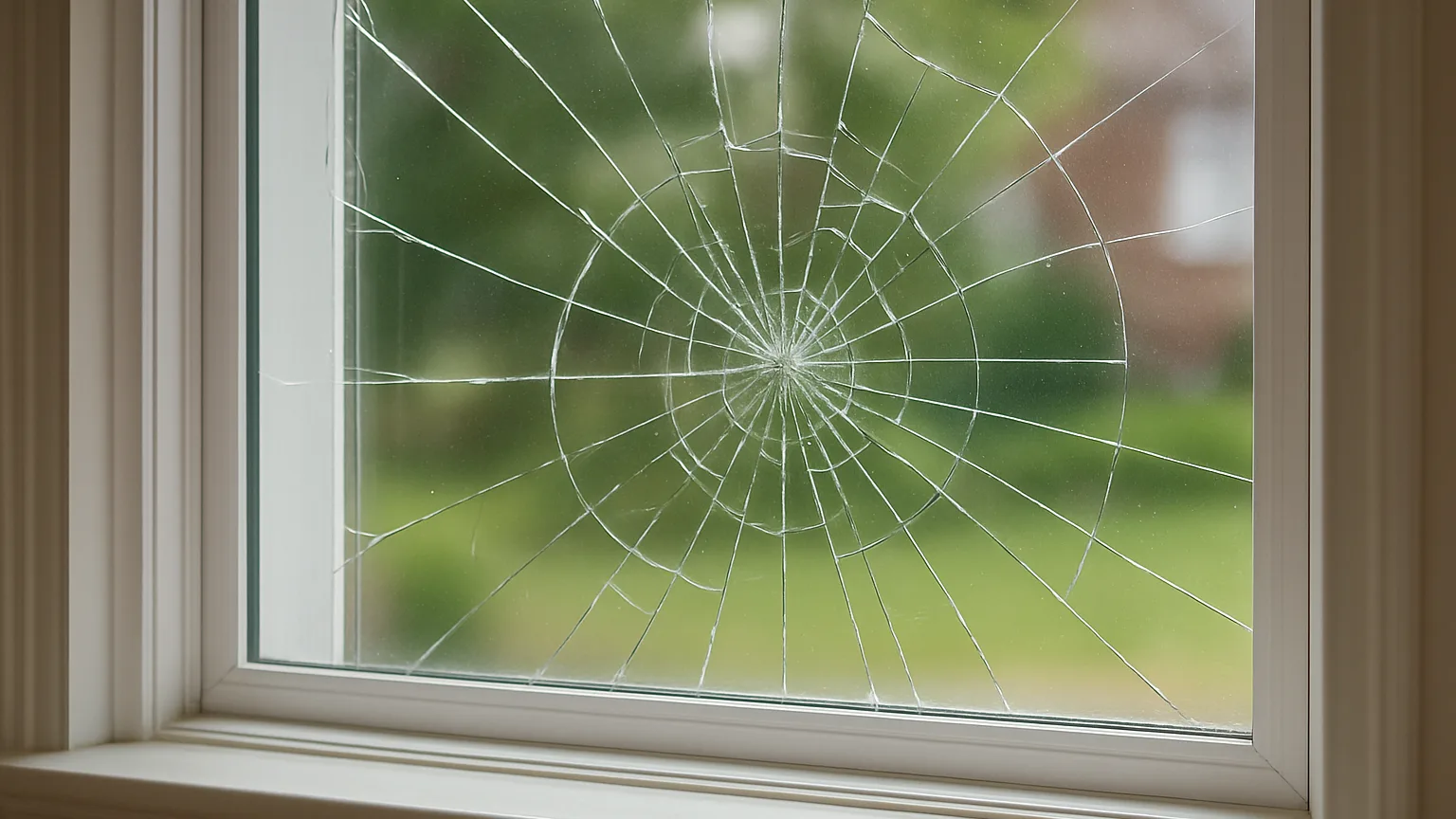
A windshield handles speed, weather, and impact every day. A home window faces quieter threats, but the overlap is bigger than most people think.
Slowing Down a Break-In
Most burglars want speed and silence. Smashing a regular pane takes one swing. Laminated glass can take many hits before a hole opens up, and each hit is loud. That extra time and noise is often enough to make someone give up. It is not bulletproof, but it is a strong delay, and delay is what stops most break-ins.
Turning Down the Street Noise
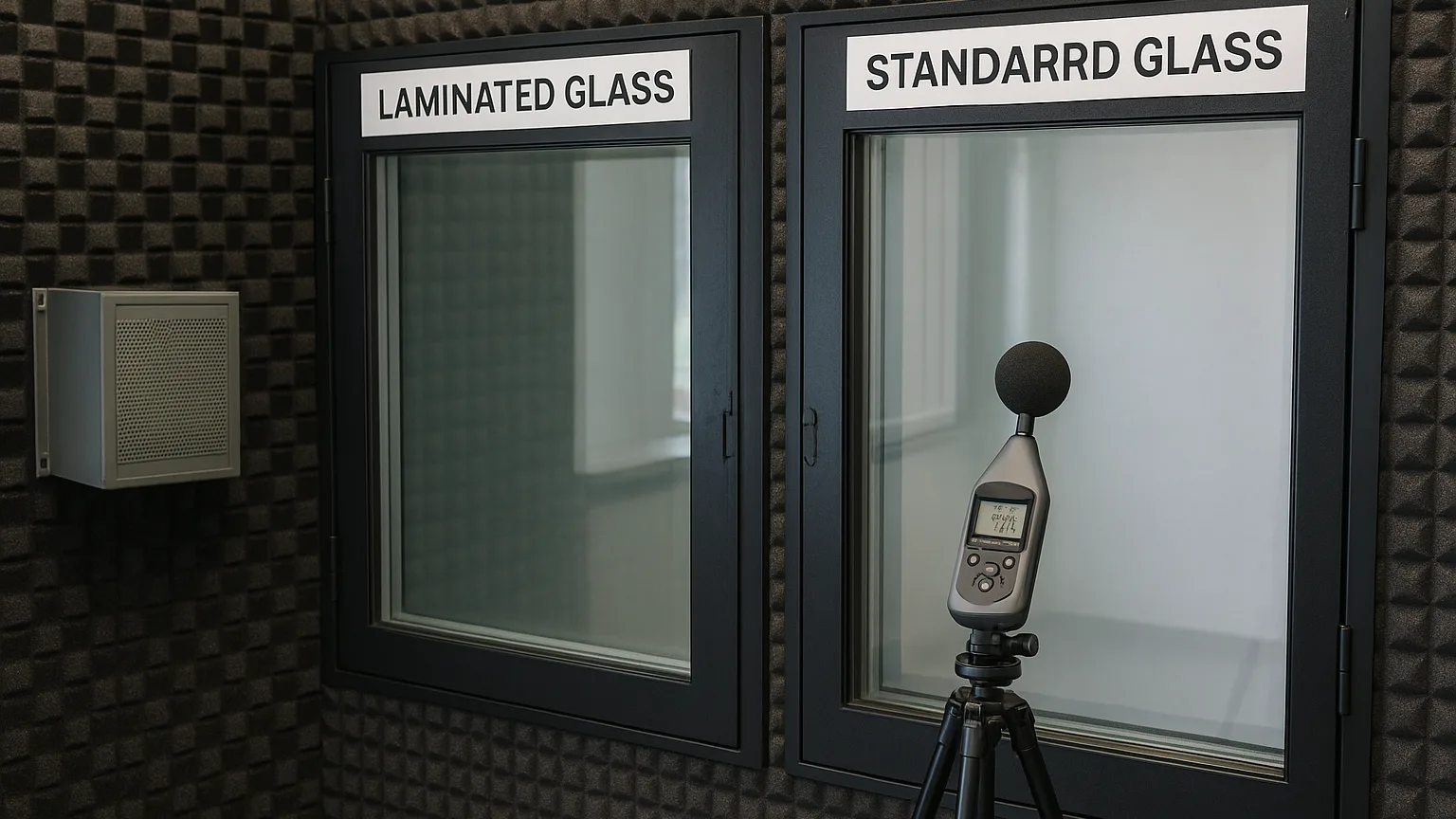
The plastic layer also soaks up sound. Glass alone tends to pass noise along, but the soft middle layer dampens it. Homes near busy roads, airports, or schools often notice the change right away. Higher pitched sounds, like voices, horns, and leaf blowers, drop the most.
Car makers use special acoustic laminates in many newer windshields for this exact reason. Quiet cabins sell cars. Quiet bedrooms help people sleep.
The PVB layer also blocks nearly all UV rays. That means less fading on floors, rugs, and furniture near sunny windows, the same protection that keeps a car's dashboard from cracking, though sun-baked dashboard vinyl is also behind the hazy film on windshields that drivers keep wiping away.
"People are surprised how much engineering is packed into a windshield," says Marcus Delgado, senior installation technician at Expert Auto Glass Repair. "The interlayer handles impact, cuts road noise, and blocks UV. Homeowners asking about laminated windows are really asking for the same three things."
Holding the Line in a Storm
In high winds, the window itself is rarely the first problem. Flying debris is. A branch or patio chair can punch through normal glass. Wind then rushes inside and pushes on the roof from below, which can cause far worse damage than one broken pane.
Impact rated windows use laminated glass with a thicker or stiffer interlayer. Many coastal building codes now require it or require storm shutters instead. Even inland, hail and summer storms make it worth a look.
The idea transfers well, but a house is not a car. A few key differences change how you should shop.
A windshield is one pane. Most home windows are two or three. Modern house windows are insulated units with a sealed air or gas gap between panes, and laminated glass is usually just one of those panes. The rest of the unit still decides how well the window holds heat.
Laminated does not mean energy efficient. The plastic layer adds very little insulation by itself. You still need good coatings, solid seals, and a tight install. Plenty of homeowners learn the hard way that their windows passed Energy Star testing and still leaked air at the frame.
The frame has to keep up. In a car, the glass is glued into a steel body. At home, a strong pane in a weak frame is a weak window. For security and storm use, the glass must be anchored well, or the whole sash can push out in one piece.
Cost and weight are higher. Laminated units cost more and weigh more than standard ones, a bit like the rising windshield replacement costs drivers see in newer cars, and older frames may need upgrades to carry them.
Questions Worth Asking Your Installer
- Is the laminated pane on the outside, inside, or both?
- What interlayer and thickness are being used?
- Is the window impact rated, or only laminated?
- What is the sound rating compared to my current windows?
- Will my frames handle the added weight?
You do not need laminated glass on every window. Many homeowners start with ground floor windows, glass doors, and the side of the house facing the street or the storm. That puts the money where the risk is highest.
Clear Glass, Stronger Lessons
Windshields got one big thing right: glass that cracks but holds together is safer than glass that disappears. Laminated windows bring that idea home. They slow down intruders, quiet a noisy street, block UV, and keep storm debris from tearing open your house.
The comparison only goes so far. A home window is a full system of panes, seals, coatings, and frames, and laminated glass is one strong piece of it, not the whole answer. Pick it where it counts, pair it with a solid frame and a careful install, and you get the best of what car makers learned without paying for more than you need.
Find the perfect Materials for your project
This section is designed to simplify the process of choosing the right materials, whether for building, remodeling, or decorating, by providing detailed descriptions, comparisons, and practical tips. Here, you'll find valuable insights and expert recommendations to ensure the materials you choose enhance the durability, aesthetic appeal, and functionality of your project.